

If you are researching cosmetic dentistry in North Miami Beach, you may already know what you want to improve about your smile, but you may not know which treatment makes the most sense. Some patients want whiter teeth. Others want to improve chips, gaps, uneven edges, worn teeth, crowding, or an older dental restoration that no longer matches their smile.
The right cosmetic dental treatment depends on your oral health, bite, enamel, tooth color, gum health, long-term goals, and the type of change you want to make. At Q Smiles Dentistry in North Miami Beach, patients can explore cosmetic and restorative dental options in a professional setting where the first step is understanding what is actually possible for their smile.
This guide explains the most common cosmetic dental treatments, including dental veneers, teeth whitening, Invisalign, bonding, crowns, and smile makeover planning. It is designed for patients in North Miami Beach, Golden Glades, North Miami, Aventura, Sunny Isles Beach, Miami Gardens, and nearby Miami communities who want clear, practical information before scheduling a consultation.
Quick Answer: What Is Cosmetic Dentistry?
Cosmetic dentistry is dental care focused on improving the appearance of your smile. It can include treatments that change tooth color, shape, size, alignment, spacing, symmetry, or the overall balance of your smile. Common cosmetic dentistry options include teeth whitening, dental veneers, bonding, Invisalign clear aligners, tooth-colored crowns, and full smile makeover planning.
Some cosmetic treatments are mainly aesthetic, while others also support function, protection, or oral health. For example, whitening is usually focused on tooth color, while a crown may improve both appearance and strength when a tooth is damaged. Veneers can improve the visible front surfaces of teeth, but they require careful planning because they may involve enamel preparation.
The best cosmetic option is not the same for every patient. A dentist needs to evaluate your teeth, gums, bite, existing restorations, and goals before recommending a treatment plan.
Table of Contents
What Cosmetic Dentistry Can Improve
Cosmetic dentistry can help improve several smile concerns, but the correct treatment depends on the cause of the issue. A stained tooth, a chipped tooth, a crooked tooth, and a worn tooth may all affect appearance, but they do not always need the same solution.
Patients often ask about cosmetic dentistry when they want to improve:
- Yellow, dull, or stained teeth
- Small chips or worn edges
- Uneven tooth shape or size
- Minor gaps between teeth
- Crowded or rotated teeth
- Old restorations that no longer match
- A smile that looks uneven or unbalanced
- Teeth that appear too short, narrow, or irregular
A cosmetic dental consultation should start with diagnosis, not just appearance. For example, tooth discoloration may come from surface staining, aging enamel, medication-related staining, trauma, old fillings, or internal changes in the tooth. Whitening may help some stains, but it does not change the color of crowns, fillings, or veneers. In other cases, veneers or crowns may be considered if discoloration does not respond well to whitening.
This is why patients in North Miami Beach should avoid choosing a treatment based only on photos online. A smile can look simple from the outside, but the dentist still needs to evaluate tooth structure, gum tissue, bite pressure, and long-term stability.
Common Cosmetic Dentistry Options in North Miami Beach
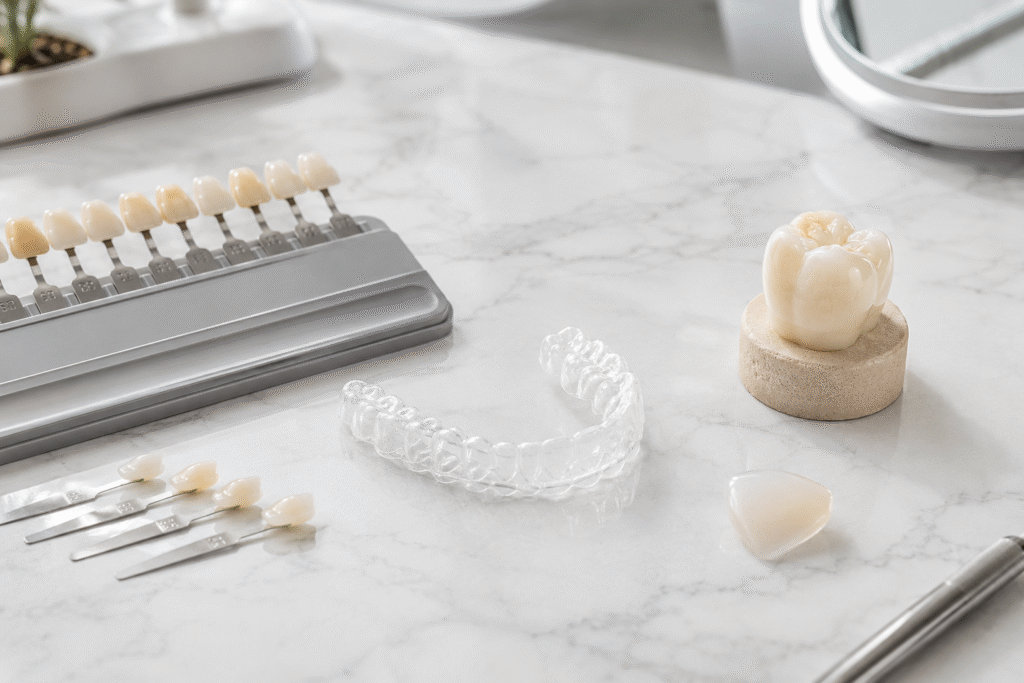
Cosmetic dentistry includes multiple treatment categories. Some are conservative and focus on one concern, while others are more comprehensive and may involve several steps. The most common options include whitening, veneers, bonding, Invisalign, crowns, and smile makeover planning.
Teeth Whitening
Teeth whitening is designed to lighten natural tooth enamel. It can be a good option for patients with generalized yellowing or external stains from coffee, tea, wine, tobacco, or normal aging. Professional guidance is important because not every type of discoloration responds the same way.
Whitening does not change the color of porcelain, ceramic, composite resin, crowns, fillings, or veneers. If you have visible restorations in your smile line, your dentist may recommend whitening first and then matching any future restorations to the new shade.
Dental Veneers
Dental veneers are thin coverings placed on the front surface of teeth to improve color, shape, size, and symmetry. According to the American Dental Association’s MouthHealthy patient resource, veneers are considered a cosmetic dentistry treatment and may not be covered by insurance unless medically necessary. You can learn more from the ADA’s overview of dental veneers.
Veneers are often considered for teeth with deeper discoloration, small gaps, chips, uneven edges, or shape concerns. They can create a more uniform smile, but they are not automatically the best treatment for every patient. Healthy gums, stable bite alignment, and enough tooth structure are important factors.
Dental Bonding
Dental bonding uses tooth-colored composite resin to improve small imperfections, such as chips, minor gaps, or irregular edges. Cleveland Clinic describes dental bonding as a cosmetic treatment that applies tooth-colored resin to change the shape, size, or color of teeth. You can review their patient explanation of dental bonding.
Bonding is often more conservative than veneers because it may require little or no enamel removal, depending on the case. However, bonding can stain or chip more easily than porcelain and may not last as long as ceramic options.
Invisalign and Clear Aligners
Invisalign and other clear aligner systems are used to move teeth gradually. They may help patients with mild to moderate crowding, spacing, or bite concerns, depending on the case. Clear aligners are different from veneers because they change tooth position rather than covering the front surface of the tooth.
For some smile makeovers, orthodontic movement can make cosmetic treatment more conservative. For example, if teeth are crowded, aligning them first may reduce the need to reshape teeth with veneers or crowns.
Cosmetic Crowns
A dental crown covers the entire visible portion of a tooth. Crowns can improve appearance, but they are usually recommended when a tooth also needs strength, protection, or structural support. A tooth with a large old filling, fracture, root canal treatment, or significant wear may need a crown rather than a veneer or bonding.
When a patient wants cosmetic improvement and also has damaged teeth, the dentist may discuss tooth-colored crowns as part of a broader restorative and cosmetic plan.
Dental Veneers for Smile Makeovers
Dental veneers are one of the best-known cosmetic dentistry options because they can improve several visible concerns at once. A veneer is a thin shell that is bonded to the front of a tooth. Cleveland Clinic explains that veneers are custom-made shells that fit over the front surfaces of teeth and can conceal chips, cracks, stains, and other cosmetic imperfections. You can read their overview of what dental veneers are.
Veneers may be discussed when patients want to improve the appearance of front teeth that are stained, uneven, chipped, slightly spaced, or worn. They are often used in smile makeover cases because they can change color, shape, and proportion at the same time.
What Veneers Can Improve
Veneers may help with:
- Discoloration that does not respond well to whitening
- Small chips or worn front edges
- Minor gaps between front teeth
- Uneven tooth length or shape
- Teeth that appear narrow or undersized
- A smile that lacks symmetry
However, veneers are not a shortcut for every dental concern. If teeth are severely crowded, if the bite places too much pressure on the edges of the teeth, or if there is active gum disease or decay, the dentist may recommend treating those issues first.
Porcelain Veneers vs Composite Veneers
Porcelain veneers are made from ceramic material and are known for a natural appearance and stain resistance. Composite veneers are made from resin material and may be completed more directly, depending on the case. Each option has advantages and limitations.
Porcelain may be preferred for longer-term color stability and a highly polished appearance. Composite may be useful for smaller changes, repairs, or patients looking for a more conservative approach. The best choice depends on tooth condition, smile goals, budget considerations, and the dentist’s recommendation after an exam.
Why Veneers Need Careful Planning
Veneers can be a powerful smile makeover option, but they require careful planning because the final result depends on tooth proportions, facial features, gum line, bite forces, and shade selection. Some veneers require enamel preparation, which means the treatment may not be reversible.
Patients considering veneers in North Miami Beach should ask about the number of teeth involved, the material, whether enamel preparation is needed, how the bite will be protected, and how the final shade will match the rest of the smile.
If you are comparing veneers with other cosmetic dental treatments, visit the dental services in North Miami Beach page to learn more about the types of care available at Q Smiles Dentistry.
Professional Teeth Whitening
Professional teeth whitening focuses on improving tooth color. It is often one of the first cosmetic dentistry treatments patients ask about because it is familiar, conservative, and can make the smile look brighter when the right type of staining is present.
Whitening works best on natural tooth enamel. It does not whiten dental crowns, veneers, bridges, fillings, or dentures. This matters because a patient with older visible fillings or crowns may need a broader plan to avoid color mismatch after whitening.
When Whitening May Be a Good Option
Whitening may be considered when the main concern is generalized yellowing or surface stains. It may be helpful before a major event, before replacing visible restorations, or as part of a smile refresh.
However, a dental exam is still important. The dentist should check for cavities, gum irritation, enamel wear, sensitivity, exposed roots, and restorations before recommending whitening. Whitening products can cause temporary sensitivity, and some patients may need a different approach.
When Whitening May Not Be Enough
Whitening may not fully correct gray discoloration, internal stains, trauma-related discoloration, or color issues caused by older dental materials. Cleveland Clinic notes that porcelain veneers may be considered for widespread tooth discoloration that does not improve with whitening. Their guide to tooth discoloration explains several causes and treatment options.
In these cases, a dentist may discuss veneers, bonding, crowns, or a combination of treatments. The goal is not just to make teeth brighter, but to create a result that looks natural with the patient’s facial features and existing teeth.
Invisalign and Clear Aligners for Cosmetic Smile Alignment
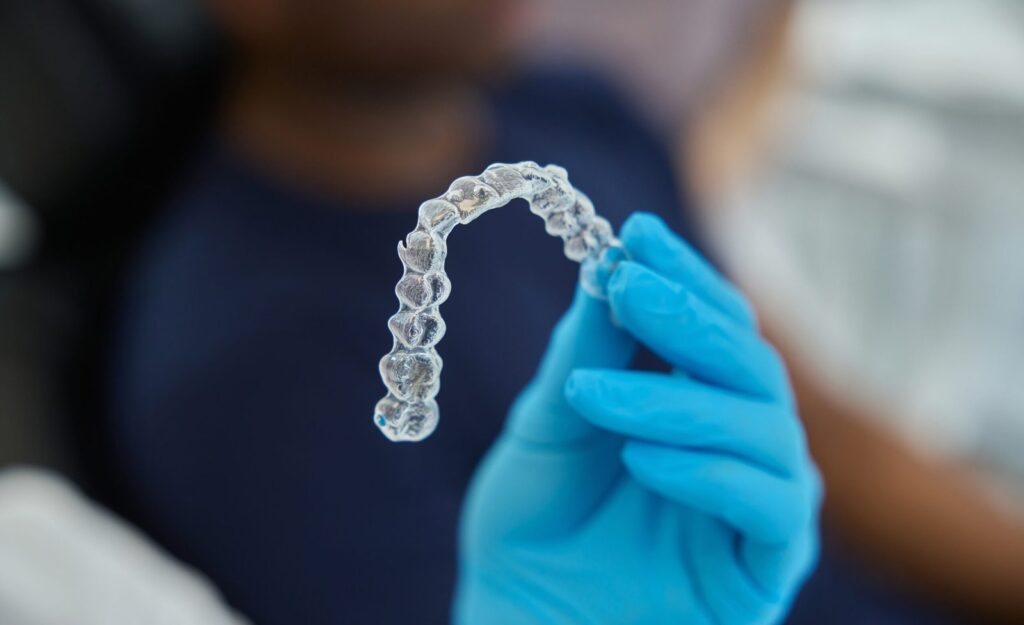
Invisalign and clear aligners are often associated with cosmetic dentistry because straighter teeth can improve the appearance of a smile. However, aligners are different from veneers or bonding because they move teeth instead of covering or reshaping them.
Clear aligners may be considered for patients with mild to moderate crowding, spacing, or alignment concerns. The dentist needs to evaluate whether aligners are appropriate based on tooth movement needs, bite relationship, gum health, and patient compliance.
When Aligners May Support a Smile Makeover
Aligners can sometimes make a smile makeover more conservative. If teeth are rotated or crowded, moving them into better position first may reduce the amount of enamel that needs to be removed for veneers or crowns.
For example, a patient who wants veneers because their teeth look uneven may discover that part of the issue comes from tooth position. In that case, Invisalign or another clear aligner treatment may be considered before or instead of veneers.
When Veneers May Be Considered Instead
Veneers may be discussed when the main concern is tooth shape, color, size, or surface texture rather than tooth position. If the teeth are already well aligned but appear small, stained, chipped, or uneven, veneers or bonding may be more relevant than orthodontic treatment.
Some patients need both. A dentist may recommend clear aligners first to improve alignment, then veneers or bonding for final shape and shade refinements. This type of plan should be customized after an in-person evaluation.
Cosmetic Dentistry Comparison Table
The table below gives a general overview of common cosmetic dentistry options. It is not a diagnosis or treatment recommendation. A dentist must examine your teeth and gums before confirming which option is appropriate.
| Treatment | Best For | What It Changes | Important Considerations |
|---|---|---|---|
| Teeth Whitening | General yellowing or surface stains on natural teeth | Tooth color | Does not whiten crowns, veneers, fillings, or bonding |
| Dental Veneers | Stains, chips, gaps, uneven shape, worn edges, smile symmetry | Color, shape, size, and visible front surface | May require enamel preparation and careful bite planning |
| Dental Bonding | Small chips, minor gaps, edge repairs, small shape changes | Shape, size, and small color corrections | May stain or chip faster than porcelain |
| Invisalign or Clear Aligners | Crowding, spacing, mild to moderate alignment concerns | Tooth position and smile alignment | Requires consistent wear and proper case selection |
| Cosmetic Crowns | Damaged, weak, heavily restored, or structurally compromised teeth | Shape, color, size, and tooth protection | More tooth coverage than veneers or bonding |
| Smile Makeover Plan | Patients with multiple cosmetic concerns | Overall smile balance and treatment sequence | May combine whitening, aligners, veneers, bonding, or crowns |
How to Choose the Right Cosmetic Dentistry Treatment
The right cosmetic dentistry treatment starts with the question: what exactly are you trying to improve? A patient who wants whiter teeth may need whitening. A patient who wants straighter teeth may need aligners. A patient with chipped, stained, or uneven front teeth may need bonding or veneers. A patient with damaged teeth may need crowns.
Most cosmetic dental plans begin with these steps:
- Oral health evaluation: The dentist checks for cavities, gum disease, enamel wear, bite issues, and existing restorations.
- Smile goal discussion: The patient explains what they want to change and what they want to keep natural.
- Treatment comparison: The dentist explains conservative and comprehensive options.
- Shade and shape planning: The team reviews color, proportions, and smile balance.
- Sequence planning: Some patients need whitening or aligners before veneers, bonding, or crowns.
Why Oral Health Comes First
Cosmetic dentistry should be built on a healthy foundation. If a patient has gum inflammation, untreated decay, infection, or active bite problems, those issues may need to be addressed first. Cosmetic treatment placed over unstable oral health can lead to poor long-term results.
For example, whitening over untreated cavities can increase discomfort. Veneers on teeth with active gum disease may not have stable support. Bonding on teeth affected by grinding may chip sooner. A good cosmetic plan considers both appearance and function.
Why Natural-Looking Results Depend on Proportion
A natural-looking smile is not only about whiteness. Tooth length, width, edge shape, gum line, lip movement, facial symmetry, and skin tone all affect the final appearance. Teeth that are too white, too flat, or too identical can look artificial.
Many patients want a smile that looks brighter and more balanced but still believable. This is where shade selection, tooth anatomy, and treatment planning matter. The goal is to create a smile that fits the person, not a copy of someone else’s smile.
Cosmetic Dentistry and Restorative Dentistry Often Overlap
Cosmetic and restorative dentistry are connected. Cosmetic dentistry focuses on appearance, while restorative dentistry focuses on repairing or replacing teeth. In real dental care, many treatments do both.
A crown may improve a tooth’s appearance while protecting it from fracture. A dental implant may replace a missing tooth and restore smile balance. A tooth-colored filling may repair decay while blending naturally with the tooth. This is why it helps to choose a dental office that can evaluate both cosmetic goals and oral health needs.
If missing teeth are part of your smile concerns, Q Smiles Dentistry also offers information about dental implants and oral surgery services. Dental implants are not only cosmetic. They may also support chewing function and help replace missing teeth when a patient is a candidate.
Cosmetic Dentistry Consultation in North Miami Beach
A cosmetic dentistry consultation in North Miami Beach should help you understand your options clearly. You should leave with a better sense of what is possible, what is realistic, and what steps may be needed before cosmetic treatment begins.
At Q Smiles Dentistry, patients from North Miami Beach, Golden Glades, North Miami, Aventura, Sunny Isles Beach, Miami Gardens, and nearby Miami communities can discuss smile concerns in a local dental setting. The team can evaluate your smile, review your goals, and explain which cosmetic or restorative options may fit your situation.
During a consultation, it is helpful to ask:
- Is my main concern related to color, shape, alignment, or tooth health?
- Would whitening be enough, or do I need veneers, bonding, or crowns?
- Should Invisalign or clear aligners be considered before cosmetic work?
- Will any existing fillings, crowns, or veneers need to be replaced to match?
- How conservative is each option?
- What maintenance will the treatment require?
- What are the risks, limitations, and expected lifespan of each option?
To learn more about the practice before visiting, you can learn more about Q Smiles Dentistry. To request a visit, you can schedule an appointment with Q Smiles Dentistry.
How Much Does Cosmetic Dentistry Cost?
Cosmetic dentistry cost varies widely in North Miami Beach, Miami, and South Florida because each treatment is different. Whitening, bonding, veneers, aligners, crowns, and full smile makeover plans all involve different materials, time, complexity, and clinical steps.
Q Smiles Dentistry does not need to publish a single fixed price in order for patients to understand the process. The final cost depends on the patient’s exam, oral health, treatment plan, number of teeth involved, materials selected, bite complexity, existing restorations, and dentist recommendation.
In general, simple cosmetic changes tend to cost less than comprehensive smile makeover plans. A one-tooth bonding repair is very different from a multi-tooth veneer case or orthodontic treatment with clear aligners. The most accurate way to understand your options is to schedule an in-person consultation.
Maintaining Your Cosmetic Dental Results
Cosmetic dentistry results require maintenance. Even high-quality dental work needs daily care, regular dental visits, and habits that protect the teeth.
Patients can help maintain their smile by:
- Brushing twice daily with appropriate toothpaste
- Flossing or cleaning between teeth daily
- Keeping regular dental cleanings and exams
- Avoiding chewing ice, pens, or hard objects
- Wearing a nightguard if recommended for grinding or clenching
- Limiting stain-heavy foods and drinks when whitening is a concern
- Using dental products recommended by their dentist
The American Dental Association’s MouthHealthy resource explains multiple ways patients can improve and maintain their smiles, including dental care, whitening, veneers, bonding, crowns, implants, and orthodontic options. You can review the ADA’s patient guide on ways to improve your smile.
When Should You Schedule a Cosmetic Dentistry Consultation?
You may want to schedule a cosmetic dentistry consultation if you feel self-conscious about your smile, if you are considering veneers or whitening, if your teeth have shifted, or if old dental work no longer blends well with your natural teeth.
A consultation is also helpful if you are not sure which treatment you need. Many patients come in asking for one service and discover that a different option may be more conservative, more appropriate, or better aligned with their goals.
For example, a patient may ask for veneers when whitening and bonding could be enough. Another patient may ask for whitening when veneers are more appropriate because the discoloration is internal or does not respond to bleaching. Another may ask for veneers when Invisalign would address the actual alignment issue more conservatively.
The purpose of a consultation is not to push one treatment. It is to understand the patient’s smile, explain the options, and recommend a plan based on clinical findings.
Explore Cosmetic Dentistry at Q Smiles Dentistry
If you are considering cosmetic dentistry in North Miami Beach, Q Smiles Dentistry can help you compare your options in a clear and practical way. Whether you are interested in veneers, whitening, Invisalign, bonding, crowns, or a broader smile makeover plan, the first step is an in-person evaluation.
Q Smiles Dentistry is located at 68 NE 167th St B, Miami, FL 33162, serving patients in North Miami Beach and nearby communities including Golden Glades, North Miami, Aventura, Sunny Isles Beach, Miami Gardens, and nearby Miami areas.
Call +1 305-947-6453 or schedule an appointment with Q Smiles Dentistry to discuss your cosmetic dental goals.
Frequently Asked Questions About Cosmetic Dentistry
What is cosmetic dentistry?
Cosmetic dentistry is dental care focused on improving the appearance of the smile. It may include teeth whitening, veneers, bonding, Invisalign, crowns, and smile makeover planning. Some treatments are mainly aesthetic, while others also improve strength, function, or tooth protection.
Is cosmetic dentistry only about looks?
Not always. Some cosmetic treatments focus mainly on appearance, such as whitening. Others, like crowns or implant restorations, may improve appearance while also restoring structure or function. A dentist can explain whether your concern is cosmetic, restorative, or both.
Are veneers better than whitening?
Veneers and whitening solve different problems. Whitening lightens natural tooth enamel, while veneers cover the front surface of teeth to improve color, shape, size, and symmetry. Whitening may be enough for surface stains, but veneers may be considered for deeper discoloration, chips, gaps, or shape concerns.
Can Invisalign replace veneers?
Invisalign can improve tooth alignment, but it does not change tooth color, shape, or size. Veneers can improve the visible tooth surface, but they do not move teeth. Some patients need one option, while others may benefit from aligners first and cosmetic refinements later.
Does teeth whitening work on crowns or veneers?
No. Teeth whitening works on natural tooth structure. It does not whiten crowns, veneers, fillings, bridges, or dentures. If you have visible restorations, your dentist may recommend planning whitening and restoration replacement carefully so the final shades match.
How do I know which cosmetic dental treatment is right for me?
The best treatment depends on your oral health, enamel, bite, gum condition, existing restorations, and smile goals. An in-person exam is necessary before a dentist can recommend whitening, veneers, bonding, Invisalign, crowns, or a combination plan.
Is cosmetic dentistry permanent?
Some cosmetic treatments are long-lasting, but not all are permanent. Whitening results can fade over time. Bonding may need maintenance or replacement. Veneers and crowns can last for years, but they may eventually need replacement. Your dentist can explain expected maintenance based on your treatment plan.
Where can I get cosmetic dentistry in North Miami Beach?
Patients in North Miami Beach and nearby areas can visit Q Smiles Dentistry at 68 NE 167th St B, Miami, FL 33162. The office serves patients from North Miami Beach, Golden Glades, North Miami, Aventura, Sunny Isles Beach, Miami Gardens, and nearby Miami communities.
Conclusion: Cosmetic Dentistry Should Be Personalized
Cosmetic dentistry can help improve tooth color, shape, alignment, spacing, symmetry, and overall smile confidence. But the right treatment depends on more than the way your teeth look in photos. It depends on your oral health, bite, tooth structure, gum condition, restorations, and long-term goals.
For some patients, whitening is enough. For others, veneers, bonding, Invisalign, crowns, or a full smile makeover plan may be more appropriate. The safest next step is a consultation with a dentist who can evaluate your smile in person and explain your options clearly.
If you are ready to explore cosmetic dentistry in North Miami Beach, call +1 305-947-6453 or schedule an appointment with Q Smiles Dentistry.